

If you’ve been keeping an eye on the U.S. residential real estate market, you’re probably feeling a bit of whiplash. After all, we’ve gone from skyrocketing prices to a more balanced and stable environment.
But before you jump in (or out), there’s a lot to unpack about what’s happening in 2025 and how you can make smart moves. As someone who’s been navigating this landscape for a while, I’m here to share the lowdown on what investors really need to know.
Why Are Prices Stalling, and What Does That Mean for You?
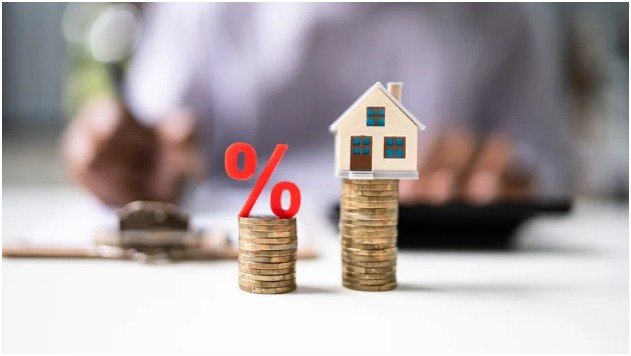
We’ve all heard the chatter about home prices hitting a wall. The reality? Home prices are expected to grow very slowly, around 0% to 2% in 2025. This isn’t some crash landing, but it’s a sign of things normalizing after years of rapid growth.
For investors like me, this is a great opportunity to start focusing less on flipping properties for quick gains and more on long-term strategies.
Think rental properties, cash flow, and selecting the right assets. With the market cooling off, the best returns will come from operational efficiency rather than speculative moves.
The “Lock-in” Effect: What’s Keeping Homeowners from Selling?

Okay, so why is there still a lack of inventory? A big part of it comes down to what’s known as the “lock-in effect.” Homeowners who secured those sweet low mortgage rates during the pandemic are holding onto their properties like they’re made of gold. As much as they’d love to move, they’re hesitant to give up those low rates and incur the higher ones available today.
But here’s the thing: this effect is starting to weaken. Life events—like moving for work, growing families, or even a change in lifestyle—are forcing homeowners to make moves. That’s good news for investors, as more inventory will start trickling in, giving you more options.
So, if you’re wondering, “When will inventory come back?”—it’s coming, slowly but surely. Keep your eyes on homes with good potential for long-term rental yields, and don’t let the slow market scare you.
How to Make the Most of a Flat Market? Focus on Cash Flow
Let’s be real: with prices barely budging, how do you still make money in real estate? The answer is cash flow. You’ll want to prioritize rental properties that bring in consistent, predictable income.
Multifamily properties (2-50 units) are especially resilient. Why? Because they offer multiple income streams. You’re not relying on just one tenant; if one unit goes vacant, the others can still help you cover costs. Think of it like having a solid backup plan.
I’ve found that high-yield markets are where the action is. Cities like Cleveland, OH, Buffalo, NY, and Indianapolis, IN are currently offering rental yields in the 8–11% range—that’s much higher than most places in the U.S.
They’re affordable, with lots of potential for consistent returns. And trust me, there’s nothing more satisfying than seeing your property generate passive income month after month.
How to Invest Smarter in 2025: A Step-By-Step Guide
Step 1: Research Rental Demand in Key Areas
Before diving into any property, do your homework. Look for areas where rental demand is rising, like Northeast cities (think Hartford, CT, or Worcester, MA) or Midwest metros (Cleveland, OH, and Indianapolis, IN). These places are seeing more people move in, making rental properties even more desirable.
Step 2: Prioritize Multifamily Units
Whether you’re a seasoned investor or just starting, multifamily properties are your friend. They offer higher yields, multiple tenants, and greater cash flow stability. Invest in areas where multifamily development is expected to grow.
Step 3: Tap Into Emerging Markets
Think outside the box. Instead of following the usual path, start exploring Tier-2 cities like Buffalo, NY, or Pittsburgh, PA. These markets offer strong rental yields (sometimes up to 10%) and are less competitive than major metros, meaning you get more bang for your buck.
Step 4: Look for Green and Smart Homes
Sustainability is not just a buzzword. Homes with green certifications, like LEED or ENERGY STAR, are attracting more renters. These homes come with lower energy bills, making them attractive to tenants. Plus, they can command higher resale values in the future. So, don’t skip over eco-friendly features—they’re worth the investment.
What Is the “Northeast Resurgence” and How Can You Take Advantage?
You might be wondering, “Why should I care about the Northeast?” Well, 2025 is seeing a resurgence in Northeast cities that were previously overlooked. Cities like Hartford, CT, and Rochester, NY are becoming hotspots for investment due to their stability and lower entry costs compared to coastal hubs like New York City and Boston.
These areas offer a fantastic balance between affordability and long-term growth. In fact, property prices here have appreciated by up to 10%, and sales volume is on the rise. For investors looking to buy into markets with lower entry costs and steady price appreciation, this is a golden opportunity.
FAQs: Everything You Need to Know About Residential Real Estate Trends
1. What’s the best strategy for investing in real estate in 2025?
The best strategy right now is cash flow-focused investing. Look for properties that provide consistent rental income from day one. Multifamily properties are a great choice due to their multiple income streams.
2. How do I know if a market is ripe for investment?
Focus on markets with rising rental demand, affordability, and infrastructure development. Cities in the Northeast and Midwest are seeing growth, and areas like Cleveland, OH, or Hartford, CT, are offering high rental yields and affordability.
3. Should I focus on buying now with prices stalling?
Yes! With prices barely moving, it’s a buyer’s market. Look for properties that can generate passive income from day one, like multifamily units. Focus on long-term investment rather than quick flips.
4. How important is sustainability in real estate?
Extremely important! Tenants are looking for green homes that offer lower utility costs, making properties with LEED or ENERGY STAR certifications highly desirable. Plus, these homes can have higher resale values in the future.
Let’s Wrap It Up: The Real Estate Market in 2025 Is What You Make of It
2025 might seem like a quiet year for real estate, but that doesn’t mean it’s a time to sit on the sidelines. In fact, the best investment opportunities are here—if you’re willing to take a strategic approach.
My advice? Don’t chase quick profits through speculation. Invest in long-term rental properties with cash flow, especially in emerging cities with strong demand. The market may be slow, but that’s precisely why smart investors like you have a chance to capitalize on stability and steady returns.
Here’s to a year of strategic, mindful investing. Grab that cash flow and make 2025 your year!