
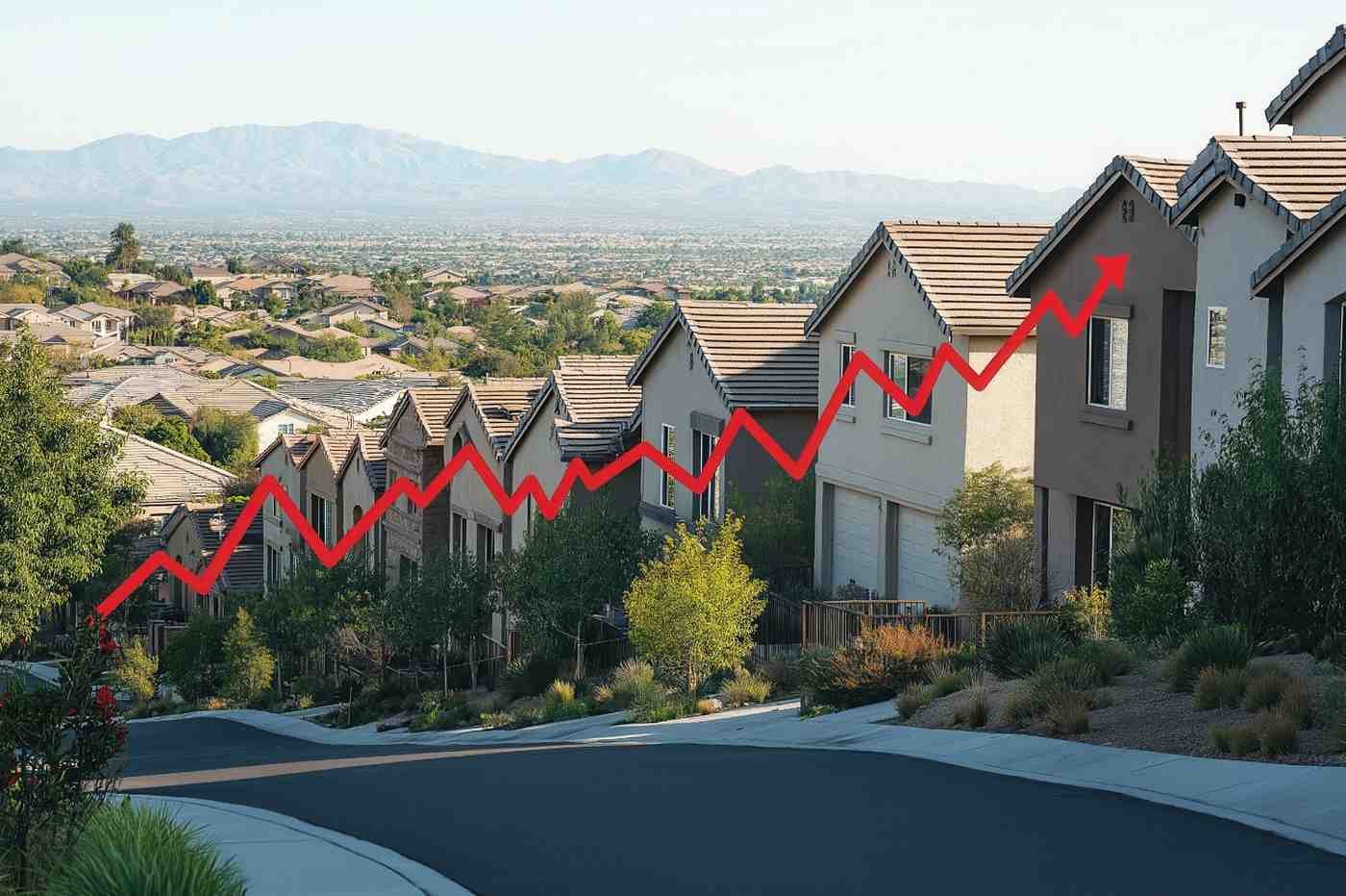
After years of extreme highs and lows, the U.S. housing market forecast for 2026 promises a new beginning. What does this imply for YOU, though? Whether you’re considering selling, buying your first house, or making your next investment, the market is changing in ways that could bring unexpected problems or exciting new opportunities.
I’ll walk you through the main causes of these shifts in this blog, from slight price increases to changing supply and demand, and provide you with the knowledge you need to successfully negotiate the housing market in 2026. Are you prepared to find out what the real estate industry has in store? Let’s get started!
Home Price Forecasts for 2026
After years of explosive price increases, the national housing market is expected to experience a more modest home price growth in 2026. Most major experts project a slight rise in home values, ranging from 0% to 2.2%, with some predictions even indicating a potential stall.
Key Price Growth Predictions:
- J.P. Morgan: Projects national prices to stall at 0%, as demand rises but is offset by increased supply.
- Realtor.com: Forecasts a 2.2% increase in home prices across the U.S.
- Zillow: Expects a 1.2% to 2.1% increase in home values, aligning closely with inflation rates.
- Fannie Mae: Predicts a 1.3% increase in home prices.
- Goldman Sachs: Is more bullish, expecting a 4.9% increase driven by limited inventory and solid demand.
Why this matters: For buyers, this could mean moderate price increases, but with demand starting to stabilize, this may provide more opportunities for those looking to purchase. Sellers can still capitalize on growth but may face fewer buyers compared to previous years.
Mortgage Rate Outlook: What to Expect in 2026
Mortgage rates remain a crucial factor in the housing market, and while experts project a slight decline, rates are expected to remain elevated compared to the historic lows of the pandemic years. The current average mortgage rate as of late January 2026 is about 6.18%.
Projected Mortgage Rates for 2026:
- Fannie Mae: Forecasts a slight dip, with rates potentially dropping to 5.9% by the end of 2026.
- Mortgage Bankers Association: Predicted rates will hover between 6% and 6.5% throughout 2026.
- Morgan Stanley: Sees potential for rates to dip to 5.5%–5.75% in the first half of the year before possibly rising again.
Why this matters: Buyers can expect higher monthly payments due to the elevated rates, but with a slight reduction over time, some affordability may return. Refinancers should act sooner rather than later to take advantage of the projected dip in rates.
Regional Divergence: Price Declines and Gains

While the overall national market is expected to grow moderately, regional differences will play a significant role in shaping the market. As demand shifts to more affordable areas, some markets may experience price declines, while others see steady growth.
Regional Predictions for 2026:
- Overbuilt Markets in the South and West: In cities like Cape Coral, FL (-10.2%) and San Francisco, CA (-2.5%), overbuilding and high home prices may cause declines in home values.
- Midwest and Northeast: These regions are expected to experience continued growth due to lower inventory and increased demand.
Why this matters: If you’re buying or selling in an overbuilt market, you may face price reductions, but for those in the Midwest or Northeast, continued growth may present a favorable situation.
Inventory Growth and Affordability Trends
For the first time since 2020, we’re seeing signs of improved affordability and growth in inventory levels. This shift could provide some relief for buyers who have been struggling with limited options and high prices.
Key Trends for 2026:
- Inventory Growth: Active listings are projected to increase by nearly 9%, marking the third consecutive year of growth. This should give buyers more leverage in negotiations.
- Affordability: Monthly mortgage payments are expected to decline in real terms as wage growth outpaces home price appreciation, giving buyers more purchasing power.
Why this matters: The projected increase in inventory gives buyers more options and less competition, while the decline in mortgage payments could make homes more affordable in real terms.
Construction Slowdown: What This Means for Supply

One factor that will influence the U.S. housing market forecast is the slowdown in construction. 2026 is projected to be the slowest year for single-family home starts since 2019, as builders focus on clearing existing inventory rather than starting new projects.
Why this matters: A slower construction pace may keep the market from oversaturating, ensuring that demand continues to outpace supply in certain regions, which can support home prices despite higher mortgage rates.
Frequently Asked Questions
1. What is the U.S. housing market forecast for 2026?
The U.S. housing market forecast for 2026 predicts modest price growth, with national home prices expected to rise between 0% and 2.2%. Mortgage rates are also expected to remain elevated but may dip slightly by the end of the year.
2. Will mortgage rates decline in 2026?
Yes, mortgage rates are expected to decline slightly, with experts projecting a dip to about 5.9% by the end of 2026. However, rates will likely remain higher than the historic lows seen during the pandemic.
3. Is it a good time to buy a home in 2026?
While mortgage rates are still elevated, the market will likely offer more inventory and improved affordability in some regions, making 2026 a favorable time for buyers looking for more options and less competition.
4. What regions will see price declines in 2026?
Overbuilt markets in the South and West, including cities like Cape Coral, FL and San Francisco, CA, are expected to see price declines in 2026, while the Midwest and Northeast will likely continue to see price growth due to lower inventory.
Key Takeaways for 2026
According to the U.S. housing market forecast, 2026 will be a year of transition characterized by regional variations, greater affordability, and modest growth. When making judgments, buyers and sellers should closely consider area trends, inventory levels, and mortgage rates. Whether you want to buy, sell, or invest, you can make wise decisions if you are aware of these important factors.