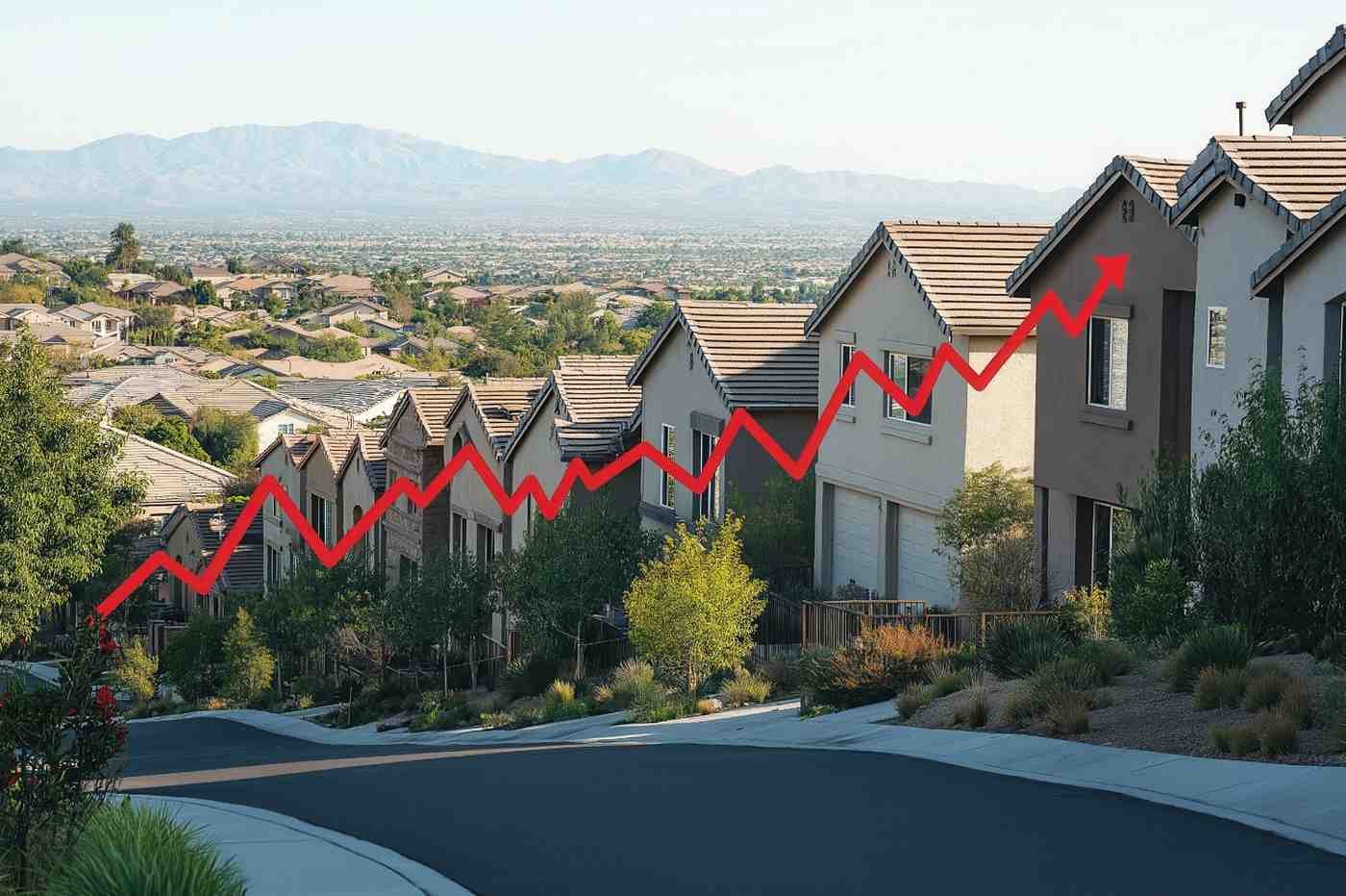
When I first heard about the rising mortgage rates back in 2024, I thought I was out of options. Refinancing seemed like something people did when rates were low—definitely not during a rate hike!
But after some research and a little bit of reflection, I learned that refinancing during rate hikes is possible—and could save you a bundle in the long run. If you’re wondering whether it’s worth it, I’ve been in your shoes, and I’m here to share exactly how I made it work.
How Can Mortgage Refinancing Help During Rate Hikes?
Refinancing during rate hikes isn’t just about finding a lower interest rate; it’s about taking control of your debt, securing your payments, and possibly shortening your loan term. At first, I wasn’t sure what refinancing options would even be available for me.
But after diving into some options, I quickly realized that there are plenty of refinancing strategies that can help homeowners like you and me. Here’s what I learned.
In 2025, mortgage rates have retreated from their 2023-2024 peaks but still hover at higher-than-usual levels. Refinancing isn’t the automatic “rate drop” situation it used to be, but it’s still a smart move if done strategically.
You can refinance for a lower rate, reduce your loan term, or lock in a fixed rate to protect yourself from future hikes. My biggest takeaway? Mortgage refinancing options during rate hikes are far more about strategy than simply finding a “cheaper” loan.
Is a Rate-and-Term Refinance the Best Option for You?
One of the first things I considered was a rate-and-term refinance, a traditional route that replaces your high-rate loan with a lower one or changes the loan’s term. This was my first move since I had locked in a rate above 7% a while ago.
I knew that in February 2025, the national average rate for a 30-year fixed refinance was hovering around 6.49%, which was way better than my 7.25%. So, I figured, why not go for it? My goal was to drop the rate by at least 1% to make the refinance worth it.
However, there’s a little catch: shortening the term can be a double-edged sword. While I could switch from a 30-year term to a 15-year term and get a rate under 6%, my monthly payment would increase. But for me, the long-term savings outweighed the short-term increase. If you’re in the same boat, ask yourself: “Can I comfortably afford a higher payment for a shorter loan term?” If the answer is yes, then this option might be your golden ticket.
How to Protect Yourself with an Adjustable-to-Fixed Conversion
I wasn’t the only one with an adjustable-rate mortgage (ARM), and let’s just say the “payment shock” is real. If you’ve been riding the ARM wave, it’s smart to consider adjustable-to-fixed conversion refinancing. You don’t want to wait until your rates reset—trust me, that could be brutal if rates rise more than you expect.
In my case, I was nearing the end of my ARM’s initial fixed period, and the last thing I wanted was for my payments to jump dramatically when the market rate increased. By refinancing into a fixed-rate mortgage, I knew exactly what my payments would be for the life of the loan. This strategy provides stability and peace of mind, especially if you anticipate further rate hikes in 2025.
Streamline Refinancing: The Fast-Track Option
If you’re lucky enough to have an FHA, VA, or USDA loan, consider streamline refinancing. This process is designed for homeowners who already have government-backed loans and want a faster, easier way to reduce their interest rate without reapplying for a new mortgage.
The beauty of streamline refinancing is that it doesn’t require much paperwork. No appraisal, no credit check—just a quicker path to lower rates.
For example, my friend recently refinanced his VA loan using the VA IRRRL (Interest Rate Reduction Refinance Loan) and dropped his rate without the usual red tape. If you qualify for this, it could be a game-changer for you.
How to Tap into Your Home’s Equity: Cash-Out or HELOC?

Sometimes refinancing isn’t just about lowering your rate—it’s about accessing some of the home equity you’ve built. If you’ve been in your home for a while and need cash for things like renovations, debt consolidation, or education, consider a cash-out refinance.
This will replace your entire mortgage at the current market rate, allowing you to borrow more than you owe on your home and pocket the difference.
That said, if you already have a low primary mortgage rate (say, 3-4%), a Home Equity Line of Credit (HELOC) might be a better option. Why? Because you won’t lose your low rate and can still tap into your home’s equity without touching your primary mortgage. I went with a HELOC for a renovation project last year, and it was a much better option than refinancing my entire mortgage.
Step-by-Step Guide to Refinancing During Rate Hikes
Here’s a practical, step-by-step breakdown of how I approached refinancing during rate hikes, and how you can too:
- Assess Your Current Mortgage: Start by checking your current rate and term. Compare it with the current refinance rates—this will help you decide if refinancing will truly save you money.
- Decide on the Type of Refinance: Based on your financial goals, choose between rate-and-term, adjustable-to-fixed, or a cash-out refinance. If you’re comfortable with your current rate and just want stability, an ARM-to-fixed option may be best.
- Calculate Closing Costs: Refinancing typically comes with 2-6% closing costs. Calculate whether you’ll stay in the home long enough to recoup these costs through lower monthly payments.
- Shop Around: Don’t settle for the first offer. Get quotes from multiple lenders and see if you can find a better deal—sometimes shopping around can save you thousands.
- Lock Your Rate: If you’re happy with your refinance offer, lock in the rate to avoid fluctuations, especially since the market can shift week-to-week.
FAQ: Refinancing During Rate Hikes
1. Can I still refinance if my current mortgage rate is above 7%?
Absolutely! Refinancing to a lower rate can save you money. If your current rate is above 7%, you could likely find a rate in the mid-6% range, which could significantly reduce your monthly payment.
2. Is it worth refinancing if I can’t get a dramatically lower rate?
Yes! Refinancing isn’t just about finding a drastically lower rate. You might refinance to shorten your loan term or switch from an ARM to a fixed-rate mortgage for stability. Both options provide long-term benefits.
3. What’s the difference between a cash-out refinance and a HELOC?
A cash-out refinance replaces your existing mortgage with a larger loan, while a HELOC is a second loan on top of your original mortgage. If you have a low mortgage rate, a HELOC might be a better option to access home equity without losing your current low rate.
4. How long does it take to refinance?
The refinancing process typically takes 30 to 45 days, but it can vary depending on the lender and the type of refinance. If you choose a streamline refinance (available for FHA, VA, or USDA loans), the process is much faster.
You’ve Got Options—Use Them!
Refinancing during rate hikes doesn’t have to be a daunting task. With a little bit of research and strategy, you can take control of your mortgage and find a solution that works for your financial situation.
Whether it’s lowering your rate, shortening your loan term, or tapping into your home’s equity, refinancing can be a game-changer. My advice? Don’t wait—evaluate your options now, and secure a plan that ensures stability and savings in 2025 and beyond.