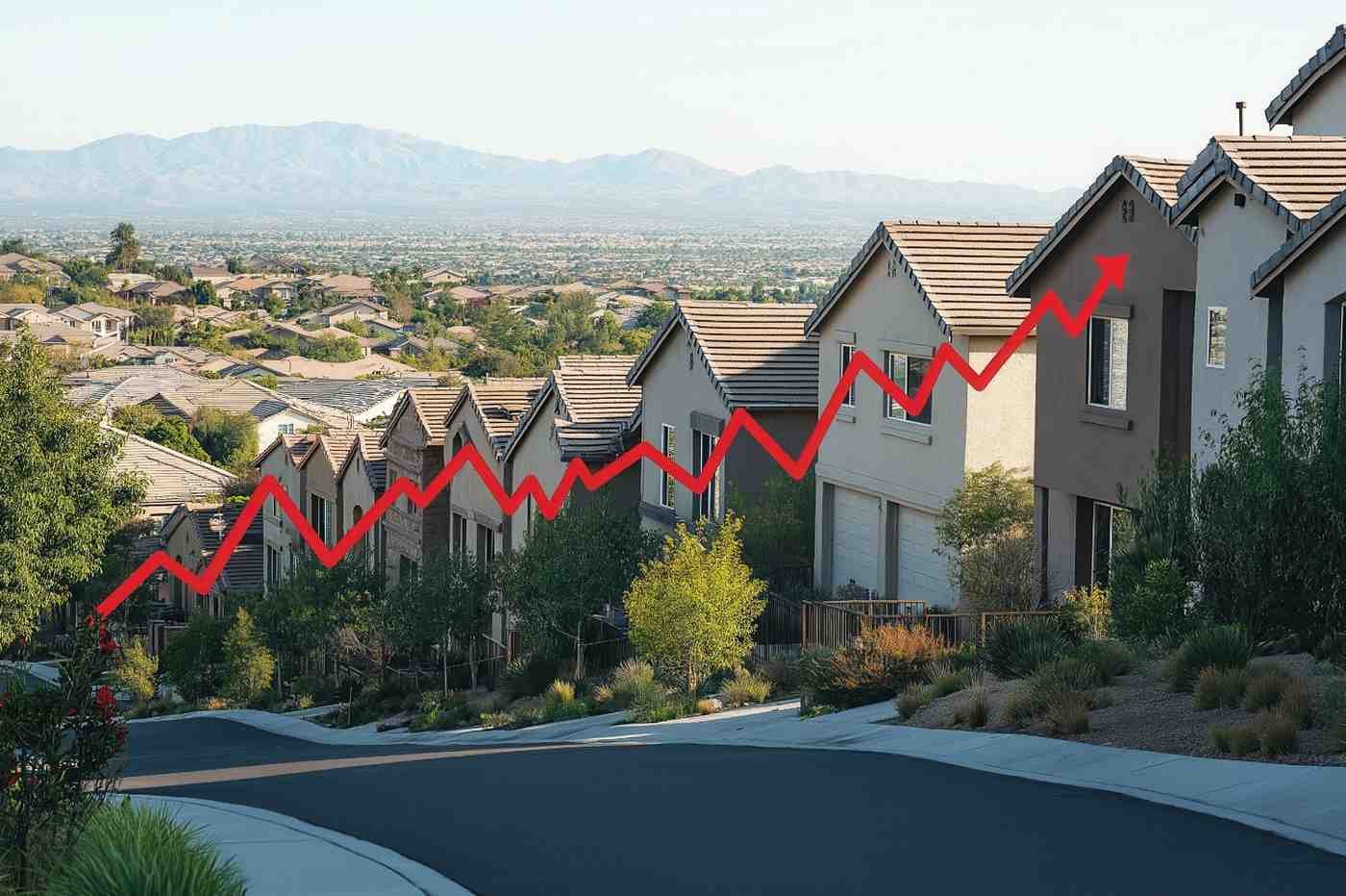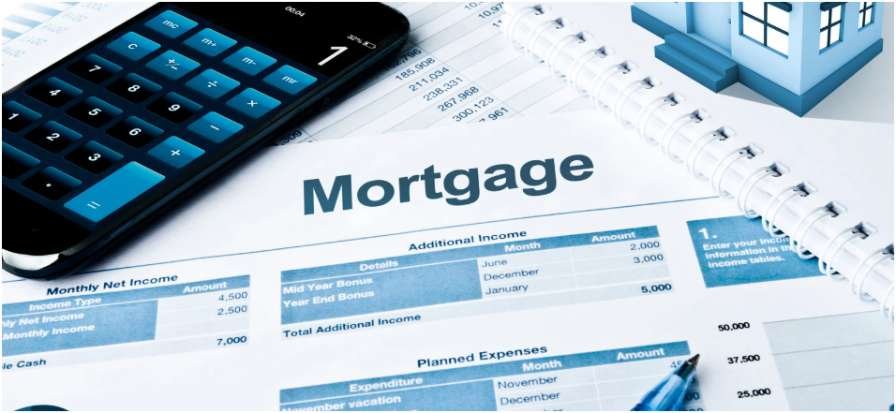

Let me be real with you: buying my first home was terrifying. I wasn’t sure where to start, what to look for, or how to navigate all those complicated mortgage terms. But after doing a lot of research, asking a ton of questions, and leaning on the advice of a few trusted friends, I learned a lot about mortgage options for first-time homebuyers. And guess what? I’m here to share everything I learned so you don’t have to feel as lost as I did.
First-time homebuyers like you and me often feel overwhelmed by the sheer number of mortgage choices out there. It’s like a never-ending sea of rates, down payments, and eligibility requirements. But once I broke it down into simple steps, the process became a lot less intimidating.
So, if you’re thinking about taking the plunge into homeownership, grab a cup of coffee, get cozy, and let’s walk through your mortgage options, what they mean, and which one might be the best fit for you. I’ve got you covered.
What Are the Best Mortgage Options for First-Time Homebuyers?
When I first started looking into mortgage options, I had no clue what each one meant. FHA? VA? Conventional? It felt like a lot of jargon to wade through, but let me break it down for you.
FHA Loans: A First-Time Buyer Favorite
One of the most popular options for first-time buyers is the FHA loan. If you’re someone who hasn’t saved up a huge down payment, this one might be a life-saver. The down payment can be as low as 3.5%, and you don’t need to have a perfect credit score—just a 580 or higher to get the best deal.
The limits for FHA loans vary by location, so it’s good to check your area’s limits. I was able to get a decent rate with mine, even though my credit wasn’t flawless. It felt like a weight off my shoulders knowing there was a path forward for me without needing to save up for years.
VA Loans: The Ultimate Deal for Veterans
If you’re a veteran (or the spouse of one), then a VA loan is where it’s at. I’ve known a few military families who used this and saved tons of money. The down payment? Zero. Zip. Nada. That’s right, no down payment required. Plus, there’s no need to worry about private mortgage insurance (PMI), which is a huge win because that can add up fast.
Eligibility can vary, but if you qualify, this is one of the best deals out there for first-time homebuyers. It’s not just a loan—it’s a way to honor your service and make homeownership more accessible.
USDA Loans: For Rural and Suburban Areas
Now, if you’re considering buying in a rural or certain suburban area, a USDA loan could be a great option. They’re perfect for those who need a 0% down payment. Yes, you read that right—no down payment. The USDA loans are designed to help people in areas that are considered underserved.
There are income restrictions (you can’t make more than 115% of the area’s median income), but for many first-time buyers, this is an option that can really make homeownership more affordable.
Conventional Loans: When You’ve Got a Bit More Saved
Conventional loans, like HomeReady or Home Possible, are great if you’ve got a bit of savings but don’t necessarily have a ton. These loans often require only 3% down, which is a great option if you’re able to put something down but don’t want to wipe out your savings. There are income restrictions with some of these, so make sure to check eligibility.
How Do I Know Which Mortgage Is Right for Me?

Okay, so now you’re probably wondering: how do I decide which mortgage is right for me? Trust me, I’ve been there, and it’s all about understanding your financial situation, long-term goals, and the amount of flexibility you need.
When I bought my first home, I had to really ask myself a few questions:
- How much can I afford to put down?
- Do I have the credit score to qualify for better terms?
- Am I willing to live in a rural area (if USDA is an option)?
- Am I a veteran? (if yes, VA loans are a no-brainer!)
If you’re thinking about FHA loans, you’ll need to be okay with the mortgage insurance fees that come with it. But if you’re a veteran, VA loans are probably the most ideal.
Conventional loans, on the other hand, are great if you’ve got the credit score and the down payment to back it up, but they might come with stricter eligibility requirements.
How To Shop for the Best Mortgage Lender

Once you know what type of loan you’re leaning toward, the next step is finding a lender. And let me tell you—shopping around can save you thousands. Here’s how to do it right:
Step 1: Get Your Credit Score in Check
Before you even talk to a lender, check your credit score. Many lenders will give you their best rates if your score is at least 620, but if you want the best deal, aim for 740 or higher. I worked on boosting my score a bit before I applied, and it made a huge difference in the interest rate I was offered.
Step 2: Get Multiple Quotes
I made the mistake of going with the first lender I spoke to, and I ended up paying more than I should have. Make sure to get at least three quotes. Rates and fees can vary significantly between lenders, so it’s worth it to shop around and see who offers the best terms.
Step 3: Ask About Fees
Don’t just look at the interest rate—ask about closing costs, origination fees, and PMI. Some lenders might offer a low rate but hit you with hidden fees that really add up.
Step 4: Consider Lender Reputation
Check out online reviews and talk to people who have worked with the lender. Lender reputation can tell you a lot about the level of service you’ll get during the process. I found it helpful to ask my realtor for lender recommendations—they were spot on!
Frequently Asked Questions About Mortgage Options for First-Time Homebuyers
1. What’s the minimum down payment I can make as a first-time homebuyer?
The minimum down payment depends on the type of loan you’re applying for. With an FHA loan, you can put down as little as 3.5%. For VA and USDA loans, 0% down is possible. Conventional loans may require at least 3% down depending on the program you choose.
2. Can I still get a mortgage if my credit isn’t perfect?
Absolutely! If you’re not rocking a 750 credit score, don’t worry. FHA loans are great for people with modest credit scores, typically 580 or higher. For USDA or VA loans, you’ll still need to meet certain credit requirements, but they are often more lenient than conventional loans.
3. How do I know if I qualify for a VA loan?
If you’re an active-duty service member, veteran, or eligible surviving spouse, you may be eligible for a VA loan. The best part? No down payment required! It’s worth checking with your local VA office or a lender specializing in VA loans to see if you qualify.
Time to Take the Leap: Make Your First Home a Reality
You’ve done the research, and now it’s time to make your move. Whether you go with an FHA loan, a VA loan, or a conventional mortgage, the important thing is that you’ve armed yourself with the information to make the best choice for your situation.
Buying a home is a big step, but it’s totally doable. Just remember, it’s all about finding the right mortgage options for first-time homebuyers that align with your financial situation. Take your time, ask questions, and remember: you’ve got this!