

I’ve been watching the housing market shift over the past few years, and let me tell you — it’s been a wild ride. From the pandemic’s boom in house prices to the slower market of 2025, it’s clear that demographics play a huge role in where this market is headed.
If you’re trying to make sense of why housing prices are rising in some places and stalling in others, you’re not alone. There’s a lot happening behind the scenes, and it all starts with the people — us, really.
In this post, I’m breaking down the impact of demographics on housing demand and supply in 2025, and how these changes are influencing where we live, how we buy, and the type of homes we’re looking for.
Why Are Housing Demands Changing in 2025?

I’ve always been curious about how shifts in the population affect the places we live. If you’re wondering why the housing market is moving in weird and unexpected ways, you need to look at the changing demographics. It’s not just about the number of people — it’s about who those people are and what they want.
The Millennial and Gen Z Wave: What Does This Mean for Housing Demand?
Let’s talk about Millennials for a minute. They’re in their 30s now — many still renting, but slowly, they’re ready to jump into homeownership. There are about 50 million Millennials who’ve delayed buying homes for years.
But in 2025, the market is about to see them enter in full force. Why? Because Millennials are in their prime home-buying years, and with many now having stable jobs and higher income, they’re ready to make the leap.
On top of that, Gen Z is also stepping up. Around 34% of Gen Z adults are planning to buy homes in 2025 — that’s more than double the national average! They’ve got the confidence, smaller deposit requirements, and a fresh outlook on homeownership.
These two groups are changing the game. But it’s not just about them. The housing supply must be ready to meet this massive wave of demand.
The Aging Population: Baby Boomers Are Transitioning, and It’s Shaking Up the Market
Meanwhile, we’ve got an aging population that’s starting to make waves. By 2025, the oldest Baby Boomers will be turning 80. You’ve probably noticed how many older homeowners aren’t selling and are instead opting to “age in place.” For the first time in history, many Boomers are staying put, keeping the supply of homes lower than it should be.
As these Boomers hit retirement age, many will transition to rentals or even assisted living, which means the demand for senior-friendly homes and rentals will rise. So, while there’s pent-up demand from younger generations, a lag in available properties could create an interesting market tension.
The Supply Side of Things: Is Housing Supply Keeping Up?
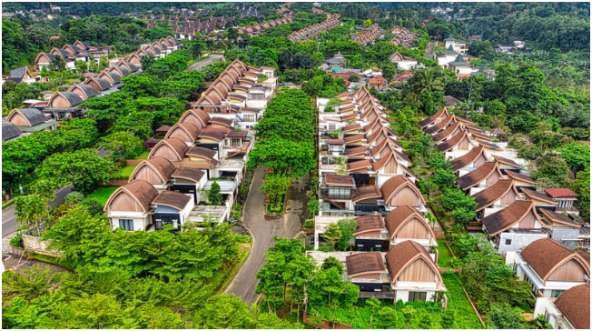
Let’s face it — housing isn’t just about demand. It’s also about how much is actually available, and supply is feeling the pressure. There are several things affecting how much housing can be built to meet that demand, especially in urban areas where land is scarce.
Why Are We Still Dealing with Low Housing Inventory?
I know a lot of people wonder why it feels like the housing inventory is so low. Even when construction is ramping up, we’re still facing shortages, especially in places like the Northeast and Midwest. Why?
Well, many older homeowners are not selling, creating a “lock-in” effect in which people are unwilling to move due to historically low mortgage rates they secured years ago. That means fewer homes are being listed, and those that do appear on the market are often snapped up quickly.
Meanwhile, new builds are increasing, but they aren’t enough to close the gap. In places like California, for instance, a lot of homes are getting passed down through generations to avoid taxes rather than being sold.
This is what I like to call the “Silver Tsunami” delay — older generations staying put and delaying the eventual transition to retirement communities.
Labor Shortages and Construction Challenges: The Real Issue
To make matters worse, the construction industry is facing a shortage of labor. Only 300,000 new workers are entering the labor market each year, compared to the 3.3 million people turning 65 and retiring. That means fewer hands to build those homes!
With the added cost of land and materials, new home construction isn’t growing fast enough to meet the demands of our aging and growing population.
How to Make Sense of It All: A Practical Guide for Homebuyers and Investors

So, what does this all mean for you if you’re buying, selling, or investing in real estate in 2025? Here’s how to navigate these shifting tides.
How Do You Navigate a Tight Housing Market in 2025?
- Plan Ahead: With so much uncertainty, you want to make sure you have your financing lined up early, especially with mortgage rates hovering around 5.9%–6.4%. It’s also important to be flexible and patient, as you may face stiffer competition for homes.
- Consider the Long-Term: Housing markets are regional, so pay attention to local demand and inventory levels. Sun Belt cities like Phoenix, Tampa, and Miami may see slow price increases or even declines due to oversupply. Meanwhile, the Northeast and Midwest remain constrained with less inventory — creating strong competition.
- Look Beyond the Traditional: With Baby Boomers holding onto their homes longer, it might be worth considering alternative housing options like senior-friendly rentals, multi-generational homes, or homes with modifications for aging in place.
Frequently Asked Questions
1. Why are Millennials buying homes later than previous generations?
Millennials have faced economic uncertainty, rising student debt, and sky-high housing costs, which has delayed homeownership. But now that many have entered their 30s, have stable incomes, and can save more for down payments, they’re starting to purchase homes in larger numbers.
2. Will the housing supply improve in 2025?
It’s unlikely that the supply will increase dramatically in 2025 due to a combination of factors — including low inventory, labor shortages, and older homeowners staying in their homes longer. While new construction is rising, it may not be enough to meet the growing demand.
3. How will the aging population affect home prices?
As Baby Boomers age and transition to rental or senior living, there may be more demand for homes tailored to this group. However, the “lock-in” effect may keep supply low, which could keep prices elevated, especially in regions where seniors make up a significant portion of the homeowner base.
So, What Does It All Mean for You?
As the 2025 housing market unfolds, we’re seeing significant shifts driven by demographic changes. While Millennials and Gen Z are driving demand, the aging Baby Boomer population is changing the way homes are bought and sold. For now, it’s a mix of regional opportunities and inventory challenges.
The key to navigating this market is patience, strategy, and understanding the regional dynamics. If you’re ready to make a move, stay informed, stay flexible, and keep your options open — the housing market is changing, but there’s plenty of opportunity if you know where to look.
My Tip for Today:
Don’t rush into the first home you see. Take your time, do your research, and understand what’s driving the market in your area. Whether you’re a first-time buyer or a seasoned investor, the key to success in this shifting market is knowing your local trends and timing your decisions accordingly.